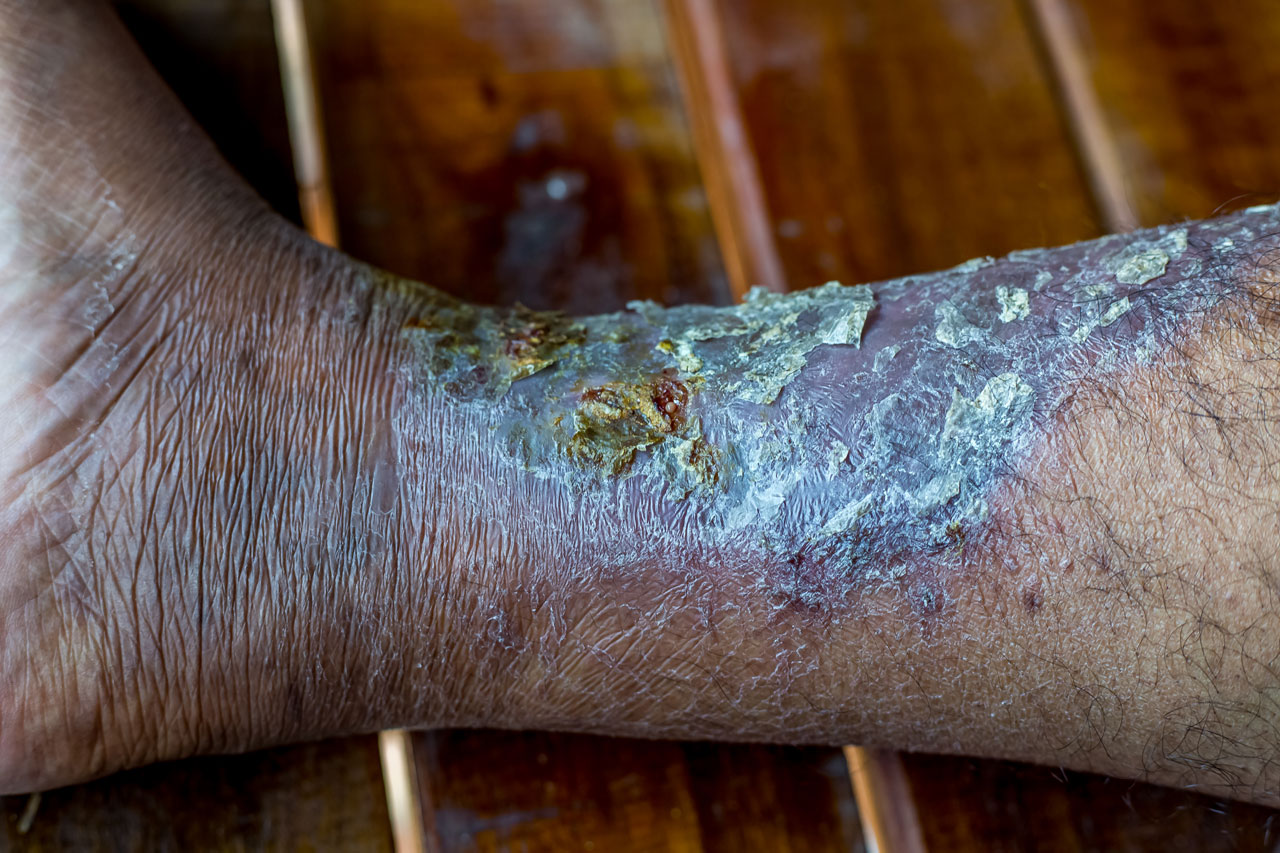

Venous leg ulcers are "difficult" wounds that cannot be truly cured in European and American countries, and they cause disability to patients, especially venous ulcers with deep vein valvular insufficiency, which are the most painful. According to research, the severity of physical damage caused by venous ulcers is comparable to that caused by congestive heart failure and chronic lung disease. As clearly depicted in the report "Venous Leg Ulcers, A Silent Crisis" released by the All-Party Parliamentary Group (APPG) in the United Kingdom in 2019, patients have a poor prognosis and unpredictable treatment pathways. The report emphasizes that this is a life-changing event that increases the chances of patients developing further complications, greatly reduces the quality of life and even premature death. Patients fall into the triple trap of disease, economic and social discrimination, which is a terrible humanitarian crisis.
Venous leg ulcers are a costly medical problem that has caused huge losses to the global medical system.
For example, in the United States, the annual costs of medical insurance and commercial insurance for VLU patients have risen to US$18,986 and US$13,653, respectively. The situation is likely to worsen as the global population ages, becomes more obese, and becomes more sedentary, with the incidence of chronic venous insufficiency and venous leg ulcers expected to rise. For nonhealing venous ulcers, the treatment expenditure is estimated to be ∼$34,000 or higher. At the same time, chronic venous ulcers cost 4.6 million working days lost each year, placing a burden on economic productivity.